
For decades, the all-inclusive resort model operated on a reputation of conspicuous consumption. Massive buffet spreads generated mounds of organic waste, single-use plastic cups cluttered tropical coastlines, and sprawling concrete complexes placed severe pressure on local water tables and fragile marine ecosystems. For eco-conscious travelers, booking an all-inclusive holiday often felt like a compromise between convenience and environmental ethics.
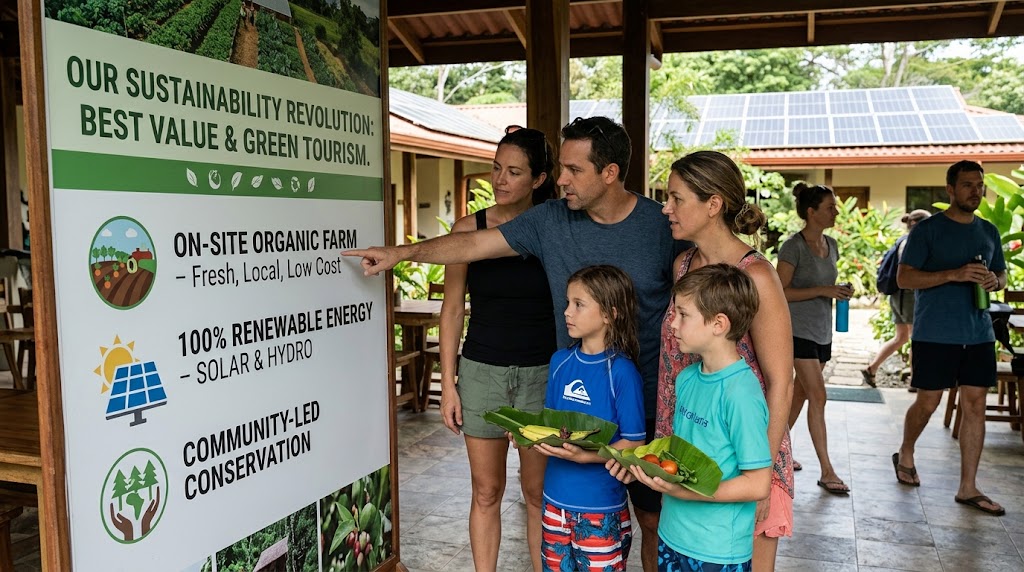
That dynamic is undergoing a profound structural shift. Driven by tightening regional environmental regulations, rising utility costs, and a fundamental realignment in consumer priorities, a new wave of resort operators is proving that comprehensive hospitality can coexist with rigorous environmental stewardship.
More importantly, this transformation is no longer confined to five-star, off-grid luxury sanctuaries charging thousands of dollars per night. A growing network of accessible, mid-tier all-inclusive resorts is embedding renewable energy, zero-waste operational models, native biodiversity conservation, and local community reinvestment into their baseline rates. By aligning ecological responsibility with operational efficiency, these properties are redefining what it means to offer genuine value on the open market.
Reimagining the All-Inclusive Business Model
The traditional all-inclusive economic model relied on high volume and high turnover. Resorts imported cheap, long-distance goods, consumed vast quantities of grid electricity to power central air conditioning, and funneled profits back to offshore corporate headquarters—a phenomenon economists term “tourism leakage.”
Modern sustainable operators have inverted this framework by treating environmental efficiency as an operational advantage rather than a costly marketing exercise.
TRADITIONAL VS. REVOLUTIONARY ALL-INCLUSIVE MODELS

TRADITIONAL ALL-INCLUSIVE
* Resource Model: Linear (High waste, single-use items, imported supplies)
* Energy & Water: Heavy grid reliance, unmonitored coastal extraction
* Economic Impact: High leakage; minimal reinvestment in local supply chains
* Guest Experience: Isolated resort bubble, standardized global entertainment

REVOLUTIONARY SUSTAINABLE ALL-INCLUSIVE
* Resource Model: Circular (Composting, zero single-use plastics, local sourcing)
* Energy & Water: On-site solar arrays, reverse osmosis, graywater recycling
* Economic Impact: Direct local employment, regional agricultural partnerships
* Guest Experience: Integrated eco-tours, cultural immersion, native conservation
By installing commercial solar arrays, advanced reverse osmosis water purification systems, and closed-loop organic waste digesters, forward-thinking resorts significantly reduce their long-term operational overhead. These utility savings allow properties to maintain stable, competitive nightly rates even during periods of global inflation and volatile energy markets.
Furthermore, replacing international supply chains with direct partnerships with local farmers, artisanal fisheries, and regional cooperatives keeps food costs predictable while ensuring that a larger percentage of guest expenditure stays within the host community.
The Mid-Tier Pioneers: High-Impact, High-Value Eco-Resorts
Several key resort brands and independent properties across the Caribbean, Latin America, and Europe have emerged as benchmarks for accessible, eco-certified all-inclusive travel.
Sandos Caracol Eco Resort (Riviera Maya, Mexico)
Located along Mexico’s Riviera Maya, Sandos Caracol stands as one of the earliest and most successful examples of integrating an all-inclusive framework within a delicate natural environment. Rather than clearing the land to build standardized pool complexes, the resort was engineered around existing mangrove systems, natural freshwater cenotes, and native coastal jungle.
Holding dual Travelife Gold and Rainforest Alliance certifications, Sandos Caracol enforces strict environmental controls:
- Habitat Preservation: On-site animal rescue programs protect native wildlife, while natural jungle corridors allow local species to move uninhibited through the property.
- Water Management: On-site water treatment facilities process graywater for landscape irrigation, protecting the delicate subterranean river networks of the Yucatán Peninsula.
- Cultural Integration:Guests participate in cenote conservation workshops and cultural programs managed in direct collaboration with local Mayan communities.
By maintaining accessible mid-tier pricing, Sandos Caracol proves that comprehensive eco-certification does not require a luxury price tag.
Grupo Xcaret (Quintana Roo, Mexico)
Grupo Xcaret transformed the regional resort landscape by introducing its “All-Fun Inclusive” concept, which bundles accommodation, dining, and full access to its surrounding eco-archaeological parks and conservation reserves into a single rate.
EarthCheck-certified across its properties, Grupo Xcaret operates on a foundation of architectural and environmental integration:
- Native Reforestation: The group operates extensive botanical nurseries that propagate native flora for regional reforestation projects.
- Zero-Plastic Standards:Single-use plastics are completely eliminated across all properties, replaced by glass bottling plants and refillable guest systems.
- Cultural Heritage:The resorts employ thousands of local artisans, performers, and culinary specialists, preserving indigenous Mayan heritage through active economic partnership.
Iberostar’s “Wave of Change” Initiative (Global)
Major multinational chains are also proving that sustainability can be scaled across high-capacity beach resorts. Spanish hotel group Iberostar launched its global “Wave of Change” movement, establishing rigorous environmental targets across its extensive portfolio of beachfront all-inclusive properties in Europe and the Americas.
Key operational milestones across their network include:
- Single-Use Plastic Elimination: Removal of single-use plastics across all guest rooms, dining venues, and operational facilities worldwide.
- Responsible Seafood Sourcing: A commitment to sourcing 100 percent of seafood from certified sustainable fisheries, supporting local fishing communities while protecting marine biodiversity.
- Coastal Health Research: Establishing on-site coral nurseries and mangrove restoration projects led by marine scientists directly on resort grounds to rebuild coastal ecosystems damaged by historical development.
Redefining “Value”: What Is Included in the Modern Eco-Rate?
For decades, the value of an all-inclusive ticket was calculated purely by volume: unlimited food, free-flowing alcohol, and standard pool access. The modern sustainable all-inclusive expands this equation by incorporating high-value educational, environmental, and cultural experiences directly into the base fare.
THE EVOLVING ALL-INCLUSIVE RATE STRUCTURE

CONVENTIONAL INCLUSIONS
* Unlimited buffet dining
* Standard domestic spirits
* Basic pool and beach towel access
* Nightly commercial theater shows

SUSTAINABLE VALUE INCLUSIONS
* Guided nature and wildlife conservation tours
* Cenote, mangrove, or coral restoration access
* Zero-plastic, farm-to-table culinary offerings
* Educational workshops led by local naturalists
When a resort includes guided kayak tours through protected mangroves, hands-on wildlife conservation workshops, organic farm visits, and traditional cultural performances within its baseline rate, the guest receives a richer experience without facing a string of expensive third-party excursion add-ons.
Furthermore, properties with strong sustainability programs frequently offer superior culinary quality. By shifting away from mass-imported frozen products toward seasonal, locally grown ingredients, resort kitchens deliver fresher, higher-quality dining that reflects the authentic flavor profile of the host region.
How Independent Certifications Protect Travelers from Greenwashing
As eco-friendly travel trends upward, the hospitality market has seen a surge in vague, self-proclaimed “green” claims. Distinguishing genuine operational sustainability from superficial marketing requires looking for verified, independent third-party certifications.
Reputable international certifying bodies enforce rigorous, audited criteria that evaluate a property’s complete operational footprint:
- Green Globe: Evaluates properties across 44 core criteria spanning sustainable management, social economics, cultural heritage, and environmental impact.
- Travelife Gold: Audits water usage, energy consumption, waste management, employee labor conditions, and local community integration.
- EarthCheck: Utilizes scientific benchmarking data to measure carbon emissions, energy consumption, potable water use, and community development.
- Rainforest Alliance: Focuses heavily on biodiversity conservation, sustainable land management, and fair treatment of local workers.
Travelers seeking genuine value should verify that a resort holds an active accreditation from one of these global bodies before booking. Certified properties are required to undergo regular on-site audits, ensuring that environmental claims are backed by verifiable data rather than clever branding.
The New Baseline for Resort Hospitality
The revolution transforming the all-inclusive resort sector reflects a permanent evolution in consumer expectations. The outdated notion that an affordable, stress-free beach vacation must come at the expense of local marine life, coastal forests, and community resources is rapidly disappearing.
By engineering waste out of their supply chains, harnessing renewable energy, and investing directly in host communities, value-driven eco-resorts are setting a new standard for the hospitality industry. They demonstrate that when environmental stewardship is built directly into the business model, travelers enjoy a superior, culturally rich vacation while protecting the fragile natural landscapes that make global travel worth undertaking.