
In an era when inflation and dynamic airline pricing have pushed the cost of traditional vacations to record highs, a surprising demographic shift is reshaping the global tourism economy. Rather than staying home or scaling back their horizons, Generation Z and Millennial travelers are taking more international trips than any previous generation—while spending significantly less per day to do so.
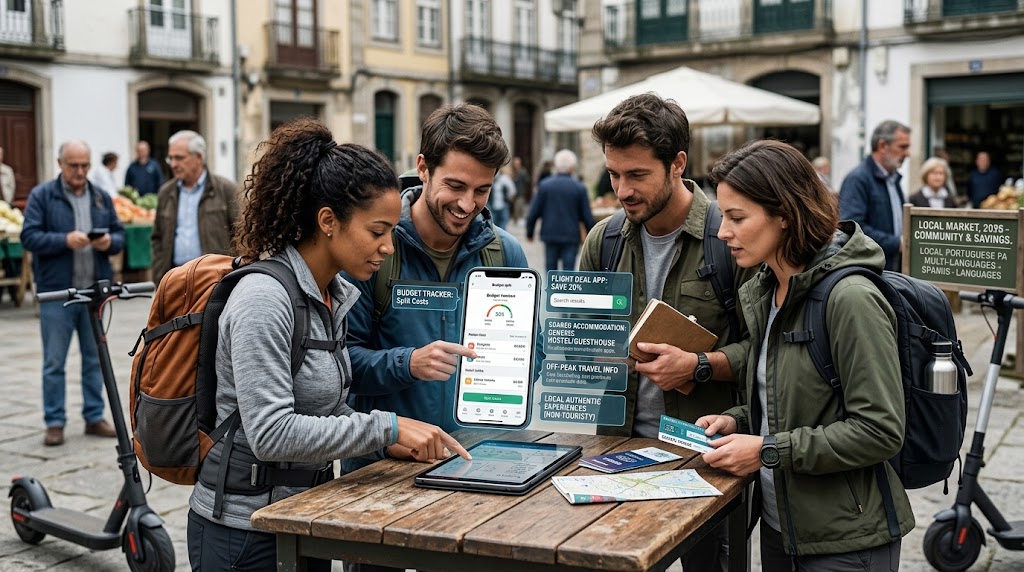
By replacing legacy booking habits with algorithmic price tracking, choosing lesser-known alternative destinations, and abandoning high-cost vacation staples like white-tablecloth dining and expensive nightlife, younger holidaymakers are proving that high-frequency travel does not require a luxury budget.
This is not an exercise in extreme self-denial. Instead, it represents a calculated recalibration of travel value. For under-40 travelers, luxury is no longer defined by high-star hotel lobbies or padded airline amenities. It is measured by frequency, cultural immersion, and total time spent on the ground.
As these habits take root globally, they are forcing airlines, hoteliers, and regional tourism boards to rethink how they price and market the modern holiday.
The “Destination Dupe” Strategy: Bypassing Saturated Mega-Hubs
For decades, international travel itineraries were dictated by a narrow list of bucket-list capitals. Vacationers instinctively booked flights to Paris, Venice, London, or Tokyo, accepting inflated accommodation rates, municipal tourist surcharges, and tourist-trap dining markups as the unavoidable cost of going abroad.
Younger travelers have systematically rejected this template in favor of “destination dupes”—secondary cities and emerging regions that offer equivalent architecture, culture, and coastal landscapes at a fraction of the cost.
- Coastal Alternatives: Swapping the heavily touristed Amalfi Coast or Santorini for the Albanian Riviera or Montenegro’s Bay of Kotor cuts daily lodging and dining expenses by up to 60 percent.
- Urban Substitutes: Choosing historic secondary cities like Treviso instead of Venice, Ghent instead of Bruges, or Girona instead of Barcelona allows holidaymakers to enjoy medieval canals and historic plazas without facing high municipal entry fees or surge-priced hotel rates.
- Cultural Shifts: In Asia, cities like Luang Prabang in Laos and Kanazawa in Japan are capturing travelers seeking authentic cultural heritage without the extreme crowd density or high costs of primary mega-hubs.
By spreading foot traffic away from congested primary capitals, the destination dupe trend does more than protect personal travel budgets. It relieves strain on fragile urban infrastructure and ensures that tourism dollars flow directly into regional communities rather than multinational hotel chains.
Algorithmic Arbitrage: AI and App-Driven Price Hunting
While older generations often rely on fixed booking windows or traditional high-street travel agencies, Gen Z and Millennials treat flight and hotel booking as a dynamic, tech-enabled negotiation.
Over 60 percent of younger holidaymakers now utilize artificial intelligence tools and automated price-tracking applications to plan itineraries, compare regional flight routes, and identify pricing anomalies in real time.
THE DIGITAL BOOKING REVOLUTION

LEGACY BOOKING MODEL
* Fixed travel windows and rigid destination choices
* High reliance on traditional intermediaries and unoptimized search engines
* Acceptance of advertised headline fares without route comparison

TECH-ENABLED ARBITRAGE MODEL
* AI-assisted route optimization and flexible destination searches
* Continuous, automated price tracking for fare drops and error fares
* Direct digital booking channels that bypass secondary booking markups
This digital fluency allows younger travelers to execute “route arbitrage”—booking open-jaw flights, leveraging secondary low-cost airports, and timing purchases around algorithmic price dips.
Furthermore, younger travelers are spearheading a surprising revival in package holidays, specifically using digital platforms to bundle flights and lodging together when algorithms offer steep bulk discounts over standalone bookings.
Reallocating Capital: The Accommodation Downgrade
One of the clearest behavioral divergences between younger travelers and older generations is where they choose to spend their money once on the ground.
Market research indicates that Gen Z and Millennials are far more willing to compromise on square footage and hotel star ratings if it frees up capital for experiences, local food, and cultural events.
Nearly 40 percent of younger holidaymakers actively choose budget-friendly 3-star hotels, boutique hostels, or social guesthouses over traditional luxury accommodations.
This shift is driven by a simple mathematical realization: a hotel room is primarily a place to sleep and store luggage. Paying a 200 percent premium for a marble lobby or a hotel concierge yields a low return on investment for travelers who intend to spend sixteen hours a day exploring the destination.
Instead of luxury amenities, younger travelers prioritize three non-negotiable lodging criteria:
- High-speed, reliable Wi-Fi for mobile navigation and remote work.
- Safe, walkable neighborhood locations near public transit nodes.
- Transparent, upfront pricing free of surprise resort fees or hidden service charges.
The Supermarket Culinary Trend and “Dry Holidays”
The traditional model of holiday dining—eating three meals a day at seated restaurants in tourist plazas—is one of the fastest ways to exhaust a vacation budget. Younger generations have replaced this habit with a trend that combines financial pragmatism with cultural curiosity: the “supermarket safari.”
Industry surveys reveal that nearly half of Gen Z and Millennial travelers regularly visit local grocery stores, neighborhood markets, and bakeries while on vacation.
Far from viewing this as a compromise, younger travelers treat local supermarkets as cultural attraction points. Purchasing fresh regional produce, local cheeses, bakery items, and regional snacks for picnics or casual lunches reduces daily food expenditure by 50 to 70 percent while providing an authentic glimpse into local daily life.
DAILY EXPENDITURE REALLOCATION

CONVENTIONAL TOURIST BUDGET
* High Percentage: Premium hotel rooms, sitting restaurant fees, high bar tabs
* Low Percentage: Local activities, regional transit, cultural immersion

VALUE-DRIVEN GEN Z / MILLENNIAL BUDGET
* High Percentage: Local food experiences, concerts, wellness, regional transit
* Low Percentage: Minimalist lodging, grocery-assisted dining, low-alcohol nightlife
Simultaneously, the global growth of “dry holidays”—trips focused on wellness, outdoor recreation, and low or zero alcohol consumption—is quietly removing one of the largest hidden expenses of international travel.
With younger consumers drinking significantly less alcohol than previous generations at their age, daily travel spending is no longer inflated by expensive late-night bar tabs, markup-heavy restaurant wine lists, and night-club entry fees.
Experience Over Possession: A Lasting Structural Shift
The cost-saving habits of Gen Z and Millennial travelers are often misunderstood as temporary responses to economic uncertainty. In reality, they reflect a permanent realignment of consumer values.
For this generation, seeing the world is not viewed as a periodic reward reserved for annual milestone events. It is considered a core component of personal identity, mental well-being, and continuous education.
By trading material possessions for passport stamps, using technology to strip friction out of booking, and prioritizing authentic local experiences over manufactured luxury, younger travelers have built a sustainable blueprint for exploring the world on their own terms.
As these value-driven habits continue to dominate global travel trends, the broader tourism industry is being forced to adapt. The future of travel belong not to the most expensive or exclusive operators, but to those who can deliver genuine cultural depth, price transparency, and exceptional value to a generation of smart, highly mobile holidaymakers.