
For years, the phrase “sustainable travel” conjured up a specific, luxury-tinted image: an eight-hundred-dollar-a-night solar-powered eco-lodge in the Costa Rican rainforest, an exclusive organic safari camp in Serengeti, or a boutique wellness retreat where guests paid a steep premium for bamboo linens and farm-to-table dining.
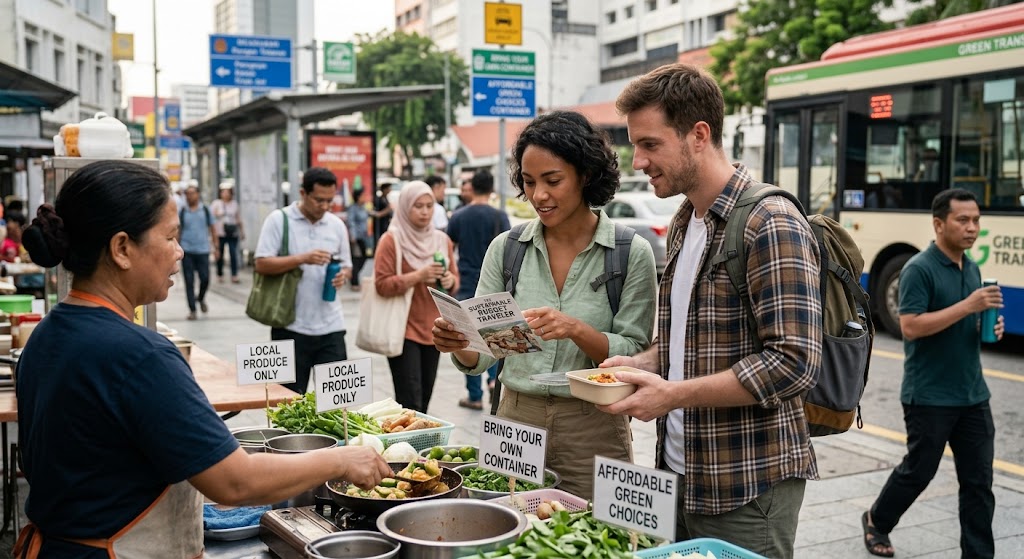
For the average holidaymaker balancing a household budget, choosing the environmentally responsible option almost always felt like an expensive upgrade. High-end marketing framed sustainability as a luxury amenity rather than a practical way of moving through the world.
That narrative is rapidly dissolving.
Driven by rising living costs, expanded public transit investments, transparent digital booking platforms, and a growing consumer backlash against overpriced tourist traps, sustainable travel is shedding its luxury tax. Far from being a costly privilege, low-impact exploration is increasingly proving to be the most practical and economical way to see the world.
By aligning environmental responsibility with straightforward cost savings, eco-conscious travelers are discovering that protecting the planet and preserving a vacation budget are mutually reinforcing goals.
Dismantling the Green Premium
The historical high cost of eco-tourism was largely an artifact of early adoption. When dedicated green accommodations first emerged decades ago, retrofitting properties with off-grid solar arrays, graywater recycling plants, and localized composting infrastructure required substantial upfront capital. Hospitality operators naturally passed those installation costs on to consumers, marketing “eco-luxury” to an affluent demographic willing to pay extra for environmental stewardship.
Today, the operational economics of hospitality have inverted. The technologies and practices that lower environmental impact are the exact same mechanisms that reduce monthly overhead for property owners.
For mid-tier hotels, family-run guesthouses, and independent hostels, energy efficiency is no longer about marketing prestige—it is about economic survival. Commercial solar arrays, high-efficiency heat pumps, LED lighting, and smart climate control systems dramatically reduce electricity and gas bills. Properties that cut their utility consumption shield themselves from volatile energy prices, allowing them to offer stable, competitive room rates compared to energy-wasteful competitors.
Simultaneously, the widespread elimination of single-use plastics has shifted from a public relations campaign to a sensible cost-saving policy. Replacing thousands of miniature plastic shampoo bottles with refillable bulk dispensers, or swapping disposable food packaging for reusable containers, eliminates a continuous supply-chain expense.
Furthermore, digital travel platforms now integrate verified sustainability certifications directly into primary search filters. Third-party accreditations from organizations such as the Global Sustainable Tourism Council (GSTC), Green Key, and EarthCheck allow travelers to compare prices directly. The data reveals a clear trend: certified eco-friendly accommodations are routinely priced at or below conventional, resource-heavy alternatives in the same category.
The Transit Equation: Ground Travel versus Aviation
Transportation represents the largest single component of a trip’s carbon footprint—and often its most unpredictable expense. For decades, low-cost regional airlines dominated short-haul travel by advertising baseline fares that seemed impossibly cheap.
However, the unbundled business model of modern aviation has steadily eroded those savings. Once seat-selection fees, carry-on luggage charges, airport express train tickets, and the time lost traveling to distant suburban terminals are added together, a “cheap” short-haul flight frequently becomes an expensive, high-friction ordeal.
Re-evaluating ground transportation reveals that low-carbon alternatives are frequently far more economical when evaluated on a total-cost basis.
The Sleeper Train Advantage
High-speed rail networks and restored overnight sleeper trains across Europe and Asia have transformed regional transit. An overnight train journey combines transportation and a night’s lodging into a single ticket. Boarding a sleeper train in central Paris, Bangkok, or Vienna and waking up in the heart of Berlin, Chiang Mai, or Venice eliminates both the cost of an airport hotel and the hassle of pre-flight security lines.
Public Transit and Integrated Passes
In major cities and regional corridors, relying on public transportation over rental cars or ride-hailing services yields massive savings. Many European nations and urban centers offer discounted regional transit passes, weekly tourist cards, or flat-rate daily tickets covering subways, buses, trams, and regional ferries. Renting a car involves baseline rental fees, mandatory insurance, inflated city fuel prices, toll highway charges, and steep overnight parking rates—expenses that quickly dwarf the cost of a public transit pass.
Active Mobility
Exploring a city on foot or via municipal bike-share programs costs virtually nothing while reducing urban congestion and emissions. Walkable urban centers allow travelers to experience neighborhood architecture, local parks, and street life at a human scale, turning the act of transit itself into a primary travel highlight.
Accommodations: High-Impact, Low-Cost Stays
Where you sleep accounts for a major portion of your travel spend and your localized environmental impact. Avoiding massive, resource-intensive international resort chains in favor of smaller, locally owned accommodations is one of the most effective ways to lower both your bill and your carbon footprint.
Large luxury resorts consume vast quantities of water for landscaped lawns and swimming pools, generate substantial food waste, and often channel up to seventy percent of their revenue out of the host destination to international corporate headquarters—a phenomenon economists refer to as “tourism leakage.”
By contrast, small-scale independent options offer a far more sustainable financial model:
- Family-Run Guesthouses and Bed-and-Breakfasts: These properties utilize existing housing stock rather than requiring new commercial construction. Their operational footprint is naturally low, and the money spent on room rates goes directly to local families, supporting neighborhood bakeries, tradespeople, and services.
- Eco-Certified Hostels: Modern boutique hostels have evolved far beyond basic student dormitories. Many feature private en-suite rooms, quiet co-working spaces, and advanced environmental systems, providing a social, sustainable, and highly affordable base for travelers of all ages.
- Community-Based Tourism (CBT) and Homestays: In rural areas across Latin America, Southeast Asia, and Eastern Europe, community-led tourism programs allow travelers to stay directly with local families or village cooperatives. These programs provide affordable shelter and home-cooked meals while channeling funds directly into village infrastructure, clean water initiatives, and local schools.
The Culinary Advantage of Local Sourcing
Dining out represents another area where sustainable choices naturally lead to financial savings. In traditional, high-density tourist zones, dining frequently revolves around restaurants that import expensive, air-freighted ingredients to offer familiar international menus to short-term visitors. These operations carry high food-mile footprints and charge inflated prices to cover their overhead.
Sustainable dining, by contrast, thrives on regional seasonality, short supply chains, and traditional culinary culture—the exact elements that define affordable eating around the world.
Municipal Produce Markets and Food Halls
Every major city operates municipal markets where local farmers, bakers, and cheesemakers sell fresh produce directly to residents. Shopping at market stalls or eating at market lunch counters allows travelers to enjoy high-quality regional food for a fraction of restaurant prices, eliminating middleman markups and excess packaging waste.
Street Food and Neighborhood Diners
In destinations across Southeast Asia, Latin America, and Southern Europe, street food stalls and small family-run diners (warungs, taquerías, or bary mleczne) offer the most authentic and low-carbon meals available. Because these kitchens prepare small, highly specialized menus using fresh, locally sourced ingredients purchased that morning, their waste is minimal and their prices remain remarkably low.
Plant-Forward Regional Eating
Choosing plant-forward dishes based on local grains, legumes, seasonal vegetables, and regional spices significantly reduces the water and carbon footprint of your diet while keeping meal receipts low. Traditional cuisines worldwide—from Mediterranean lentil stews and Indian dal to Mexican bean-and-avocado dishes—were historically built around nutritious, low-cost plant ingredients.
Pacing and Geography: The Economics of Slow Travel
The traditional travel template—visiting four major capital cities in ten days during peak summer months—has become economically unviable for the budget-conscious traveler. Overcrowded primary hubs like Venice, Amsterdam, Barcelona, and Kyoto have instituted escalating daily tourist taxes, entry fees, and strict short-term rental caps to manage tourism volume, dramatically increasing the cost of staying in central historic districts.
Embracing “slow travel” and prioritizing secondary destinations resolves this financial pressure while mitigating overtourism.
The Hub-and-Spoke Model
Instead of changing hotels every night, select one strategic regional town or secondary city as your base—an anchor hub—for a week or more. Use that base to take unhurried day trips into the surrounding countryside via regional trains or buses. Staying in one location unlocks long-term accommodation discounts, eliminates daily packing and transit friction, and drastically reduces total transportation costs.
Destination Alternatives
Selecting secondary cultural centers instead of hyper-touristed capitals yields double financial savings. Choosing Ghent over Bruges, Treviso over central Venice, or Girona over Barcelona offers lower accommodation rates, reasonably priced neighborhood dining, and uncrowded public infrastructure, all while providing a more authentic glimpse into daily local life.
Off-Peak and Shoulder-Season Timing
Traveling during shoulder seasons (early spring and late autumn) or mid-week periods reduces pressure on local water, waste, and transit systems during fragile peak months. In return, travelers enjoy deeply discounted lodging, empty museum galleries, and a welcoming atmosphere from local hosts who are not overwhelmed by peak seasonal crowds.
Micro-Habits That Cut Waste and Expenses
Small, deliberate choices made during daily exploration aggregate into substantial financial savings and environmental benefits over the course of a multi-week trip.
- Transition to Solid Grooming Products: Replacing liquid shampoos, conditioners, body washes, and toothpaste with solid bars and tablets eliminates single-use plastic waste entirely. More importantly, solid cosmetics bypass airport liquid security restrictions and weigh a fraction of traditional bottles, helping travelers stick to lightweight carry-on luggage and avoid heavy baggage fees.
- Invest in a Filtered Water Bottle: Purchasing single-use bottled water multiple times a day is an unnecessary travel expense that generates vast plastic waste. Carrying a reusable water bottle equipped with an integrated micro-filter allows you to safely fill up from tap water sources anywhere in the world, saving dozens of dollars per week.
- Pack a Light Utility Kit: Carrying a compact tote bag, a cloth napkin, and a set of lightweight bamboo or stainless-steel utensils prevents the need for single-use plastic bags and disposable cutlery when buying food at local markets or street stalls.
- Respect Local Infrastructure: Turning off air conditioning and lighting when leaving a hotel room, reusing towels, and adhering to local waste-sorting guidelines costs nothing, but significantly reduces the energy and water burden placed on host communities.
Reclaiming Travel as an Intentional Practice
The evolution of sustainable travel represents a long-overdue correction in how we explore the world. What was once marketed as an exclusive luxury amenity has proven to be a common-sense framework for intelligent, cost-effective travel.
Traveling sustainably does not require financial sacrifice, uncomfortable compromises, or staying home. It simply asks travelers to step off the high-speed, hyper-commercialized tourist conveyor belt and approach new places with mindfulness, curiosity, and respect.
By opting for regional ground transit, staying in energy-efficient local lodgings, dining on seasonal produce, and pacing journeys thoughtfully, everyday holidaymakers are discovering a lasting truth: the most rewarding, culturally immersive way to see the world happens to be the most affordable way to protect it.